
Intensive Care Unit Nurse (ICU RN)

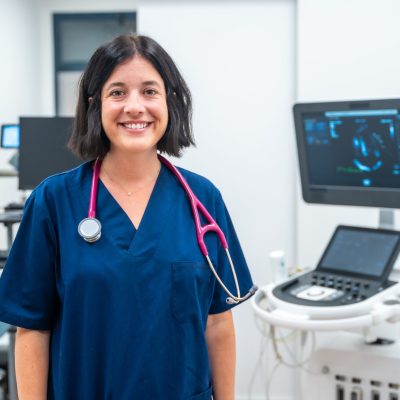
Cardiologist in medical attire, smiling.

Are you a highly skilled and compassionate Registered Nurse (RN) searching for RN jobs near me, per diem nursing jobs, or an exciting career as a travel nurse? Our Intensive Care Unit (ICU) is seeking experienced ICU Nurses to provide exceptional care to critically ill patients. Whether you prefer working as a local nurse or exploring opportunities as a traveling nurse, we invite you to join our team of dedicated healthcare professionals. This role is ideal for nurses who excel in high-acuity settings and are passionate about delivering life-saving care. 

Key Responsibilities:

  • Critical Care Management: Provide comprehensive, high-quality nursing care to critically ill patients requiring intensive monitoring and treatment, including those with life-threatening conditions such as multi-system organ failure, severe infections, or post-surgical complications. 
  • Advanced Monitoring & Intervention: Utilize advanced technology to continuously monitor patients’ vital signs, manage ventilators, and administer complex medication regimens according to physician orders and nursing protocols. 
  • Patient Assessment & Response: Conduct thorough assessments, quickly recognize changes in patient conditions, and initiate appropriate interventions to stabilize and improve patient outcomes. 
  • Collaborative Care Planning: Collaborate with a multidisciplinary team including physicians, respiratory therapists, and pharmacists to develop and implement individualized care plans. 
  • Family Support & Education: Provide emotional support and education to patients’ families, helping them understand the patient’s condition, treatment plans, and the critical care environment. 
  • Accurate Documentation: Maintain detailed and accurate documentation of patient care, interventions, and responses in the electronic health record (EHR) system. 
  • Continuous Learning: Stay updated with the latest evidence-based practices and advancements in critical care nursing through ongoing education and training. 
  • Mentorship & Leadership: Mentor and support new nurses and nursing students, fostering a positive and collaborative learning environment. 

Work Environment:

  • Work in a high-stakes, high-intensity environment where attention to detail and rapid response are crucial. 
  • Experience a diverse patient population, providing care to individuals with various complex medical conditions and surgical needs. 
  • Be part of a supportive, team-oriented environment, whether you choose to work as a local nurse or travel to new locations as a traveling nurse. 

Benefits:

  • Competitive Compensation: Attractive salary packages for per diem and travel nursing assignments. 
  • Comprehensive Insurance: Health, dental, and vision insurance plans available. 
  • Retirement Savings: 401(k) retirement plan with employer contributions. 
  • Flexible Scheduling: Options that cater to your lifestyle, whether as a local nurse or a travel nurse. 
  • Professional Development: Access to continuous education opportunities and employee wellness programs to support your career growth. 

Why Choose Us?

We understand the unique needs of today’s nursing professionals, whether you’re searching for RN jobs near me, per diem nursing jobs, or opportunities as a traveling nurse. Our ICU is equipped with state-of-the-art technology and a commitment to patient care and staff well-being. Join a team where your skills are valued, and you have the opportunity to grow, learn, and make a difference every day in the lives of those who need it most. 

Equal Opportunity Employer:

We celebrate diversity and are committed to creating an inclusive environment for all employees. We recognize the value of different perspectives and experiences and are proud to be an Equal Opportunity Employer. We do not discriminate based on race, color, religion, sex, sexual orientation, gender identity, national origin, veteran status, or disability. 

Apply today and take the next step in your nursing career with us. Explore the possibilities as an ICU Nurse and make a meaningful impact on patient care and outcomes. 

Healthcare organizations face some of the toughest workforce challenges: tight budgets, lean IT teams and limited tools for sourcing, hiring and onboarding staff. Add in manual scheduling, rising labor costs and high burnout, and the pressure grows. Rolling out complex systems can feel out of reach without dedicated tech support. Even simply evaluating new technology can overwhelm already stretched-thin teams.

These challenges make it clear that technology isn’t just helpful; it’s essential for healthcare organizations. Especially when they’re striving to do more with less. Not only are healthcare organizations falling short on implementing new technology, but they’re struggling to update outdated systems. A 2023 CHIME survey found that nearly 60% of hospitals use core IT systems, such as EHRs and workforce platforms, that are over a decade old. Outdated tools can’t integrate or scale, creating barriers to smarter staffing strategies. But the opportunity to modernize is real and urgent.

Tech in Patient Care Falls Short

In healthcare, technology has historically focused on clinical and patient care. Workforce management tools have taken a back seat to updating patient care systems. Yet many big tech companies have failed when it comes to customizing healthcare infrastructure and connecting patients with providers. Google Health shuttered after only three years, and Amazon’s Haven Health was intended to disrupt healthcare and health insurance but disbanded three years later.

Why the failures? It’s estimated that nearly 80% of patient data technology systems must use to create alignment is unstructured and trapped in data silos. Integration issues naturally form when there’s a lack of cohesive data that systems can share and use. Privacy considerations surrounding patient data are a challenge, as well. Across the healthcare continuum, federal and state healthcare data laws hinder how seamlessly technology can integrate with existing systems.

Why Smarter Staffing Is Now Essential

These data and integration challenges also hinder a healthcare organization’s ability to hire and deploy staff, an urgent healthcare priority. The U.S. will face a shortfall of over 3.2 million healthcare workers by 2026. At the same time, aging populations and rising chronic conditions are straining teams already stretched thin.

Smart workforce technology is becoming not just helpful, but essential. It allows organizations to move from reactive staffing to proactive workforce planning that can adapt to real-world care demands.

Global Inspiration: Japan’s AI-Driven Workforce Model

Healthcare staffing shortages aren’t just a U.S. problem. So, how are other countries addressing this issue? Countries like Japan are demonstrating what’s possible when technology is utilized not just to supplement staff, but to transform the entire workforce model. With one of the world’s oldest populations and a significant clinician shortage, Japan has adopted a proactive approach through its Healthcare AI and Robotics Center, where several institutions like Waseda University and Tokyo’s Cancer Institute Hospital are focusing on developing AI-powered hospitals.

Japan’s focus on integrating predictive analytics, robotics and data-driven scheduling across elder care and hospital systems is a response to its aging population and workforce shortages. From robotic assistants to AI-supported shift planning, Japan’s futuristic model proves that holistic tech integration, not piecemeal upgrades, creates sustainable staffing frameworks.

Rather than treating workforce tech as an IT patch for broken systems, Japan’s approach embeds these tools throughout care operations, supporting scheduling, monitoring, compliance and even direct caregiving tasks. U.S. health systems can draw critical lessons here: strategic investment in integrated platforms builds resilience, especially in a labor-constrained future.

The Power of Smart Workforce Technology

In the U.S., workforce management is becoming increasingly seen as more than a back-office function; it’s a strategic business operation directly impacting clinical outcomes and patient satisfaction. Smart technology tools are designed to improve care quality, staff satisfaction, scheduling, pay rates, compliance and much more.

For example, by using historical data, patient acuity, seasonal trends and other data points, organizations can predict their staff needs more accurately. The result is fewer gaps in scheduling, fewer overtime payouts and a flexible schedule for staff. AI-powered analytics can help healthcare leadership teams spot patterns in absenteeism, see productivity and forecast needs in multiple clinical areas in real-time. Workforce management tools can help plan scheduling proactively, rather than reactively. It’s a proven technology tool that can help drive efficiency and reduce costs.

Why So Many Are Still Behind

Despite the clear benefits, many healthcare organizations are slow to adopt smart tools that empower their workforce. Several things are holding them back from going all-in on technology:

Financial Pressures

Over half of U.S. hospitals are operating at or below break-even margins. For them, investing in new technology solutions is financially unfeasible. Scalable, subscription-based and even free workforce management tools are available, but most organizations are unaware of or lack the resources to source these products. Workforce management tools can deliver long-term return on investment for most organizations. Taking the time to understand where the value lies and which tools to invest in needs to happen.

Outdated Core Systems

Many facilities still depend on legacy technology infrastructure that lacks real-time capabilities. Many large players in the healthcare workforce management industry dominate hospital systems. Other smaller, real-time tools that offer innovative solutions to scheduling, workforce hiring, rate calculators and more are available at a fraction of the cost.

Competing Priorities and Strategic Blind Spots

Healthcare organizations and hospitals have many high-priority business objectives and regulatory demands. Digital transformation naturally falls down on the priority list, which causes them to miss improvements that can lead to long-term stability. With patient care and provider satisfaction at the top of the priority mountain, technology changes can be easily missed or shoved to the side when other business objectives are perceived to “move the needle” more.

Poor Change Management

Even the best technology efforts can fail without the right strategy for adoption and support from senior leadership. Resistance from staff, lack of training, or poor rollout communication can undermine success. Effective change management—clear leadership, role-based training and feedback loops—is essential.

Faster than the speed of technology

Change needs to come quickly to healthcare organizations in terms of managing their workforce efficiently. Smart technologies like predictive analytics, AI-assisted scheduling and mobile platforms will define this next era. These tools don’t just optimize operations but empower workers and elevate care quality.

Slow technology adoption continues to hold back the full potential of the healthcare ecosystem. Japan again offers a clear example: they had one of the slowest adoption rates of remote workers (19% of companies offered remote work) in 2019. Within just three weeks of the crisis, their remote work population doubled (49%), proving that technological transformation can happen fast when urgency strikes. The lesson is clear: healthcare organizations need to modernize faster for the sake of their workforce and the patients who rely on providers to deliver care.


Share On

Facebook
LinkedIn
WhatsApp
X
Email

Check out StaffDNA Insights