
Step into any hospital break room and you’ll observe something immediately: clinical professionals are always on the move. Nurses, doctors, radiology technicians, respiratory therapists, and so many others cover miles walking their shift, endure brutal 12-hour marathons, and juggle patient care with the physical demands of the job. When you’re this busy, having the right gear becomes necessary, not a luxury.
Comfortable footwear keeps blisters at bay. A trusty bag keeps your essentials from going missing. Hydration and nutrition tools ensure you’re also taking care of yourself while taking care of others. Plus, in this age where our phones contain everything from patient notes to messages from your team, having your devices charged is a must.
Shoes
If there’s one thing every healthcare professional agrees on, it’s this: your shoes are very important. Between standing for hours and rushing between patient rooms and hospital floors, your feet get strained a lot.
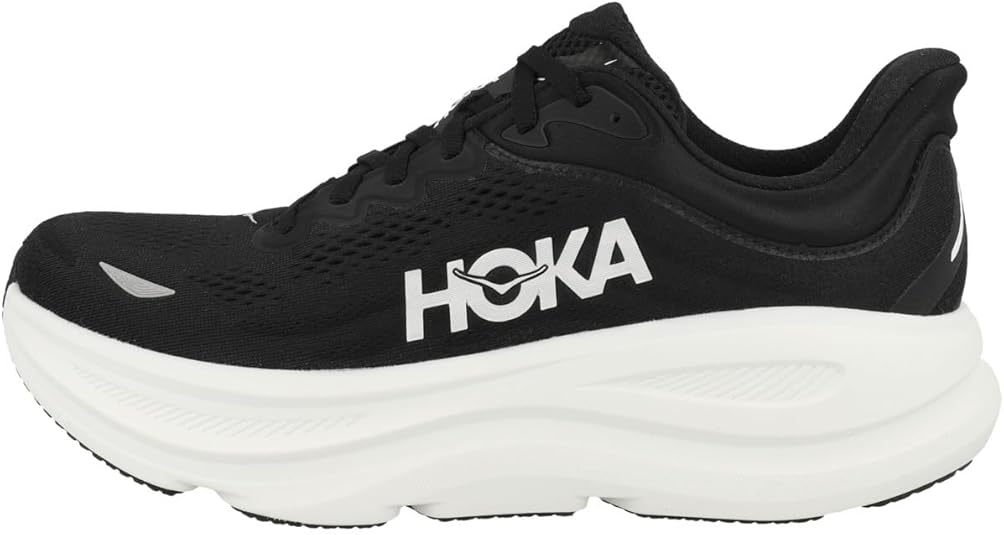
Hoka has become the gold standard for many clinical workers, especially the Bondi SR. These buttery-soft shoes feature maximum cushioning plus a lightweight feel, and their signature oversized midsoles offer some serious shock absorption.
The Bondi SR has slip-resistant outsoles and spill-proof leather, designed specifically for medical professionals. Plus, Hoka’s sturdy designs ensure a natural stride that helps to keep persistent foot and leg pain at bay–discomforts that many have come to accept as an occupational hazard.
Bags
Clinical professionals often carry a lot of tools, such as penlights, scissors, notebooks, snacks, water bottles, phone chargers, and maybe a change of scrubs. A good bag keeps everything organized and accessible while being durable enough to withstand the rigors of everyday hospital life.
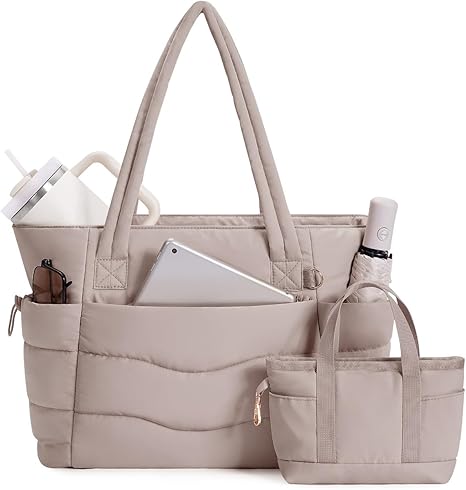
If you’re more into tote bags, then the Wandering Nature Work Tote Bag includes a 2-piece set with an extra spacious main tote and detachable mini bag. The main bag features a padded 15.6″ laptop compartment, a dedicated tumbler pocket that keeps drinks upright and secure, two inner mesh pockets, plus a quick-access front pocket for your badge or keys. And at a mere 1.5 lbs, it won’t weigh you down even when loaded to the gills.
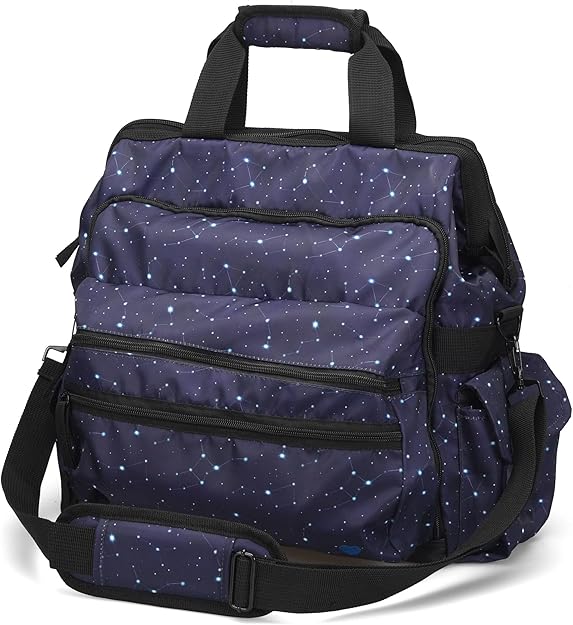
Meanwhile, the Nurse Mates Ultimate Nursing Bag is designed for medical professionals. Boasting 12 specialized pockets like stethoscope holders, a padded laptop compartment and water-resistant fabric, it’s designed to meet the unique needs of medical practitioners. Plus, it has a wide hinged opening for easy access and a non-skid bottom so it won’t slide on smooth surfaces.
Water bottles
Dehydration is a major problem for busy healthcare workers who often forget to drink enough water because they get so caught up in their work. Meanwhile, staying hydrated isn’t just refreshing, it’s vital for focus, energy, and overall health. Dehydration can wreak havoc on our body system–causing fatigue, headaches, and many other unpleasantness–not exactly what you need when you’ve got long hours of shift ahead to give your best and save lives.
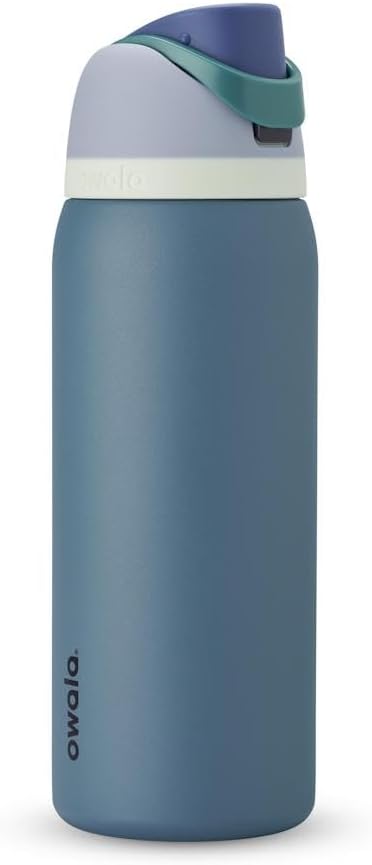
The Owala FreeSip is a top pick for many healthcare workers because of its ingenious dual-drinking system while maintaining great insulation. You can either have a sip through the built-in straw or tilt back and drink. The one-handed operation is convenient when you’re carrying other things.
Lunch containers
Hospital cafeterias and vending machines are handy, but they get pricey and nutritionally compromising to depend on every day. Plus, bringing your own meals lets you eat a balanced diet that supplies your body with all the nutrients it needs.
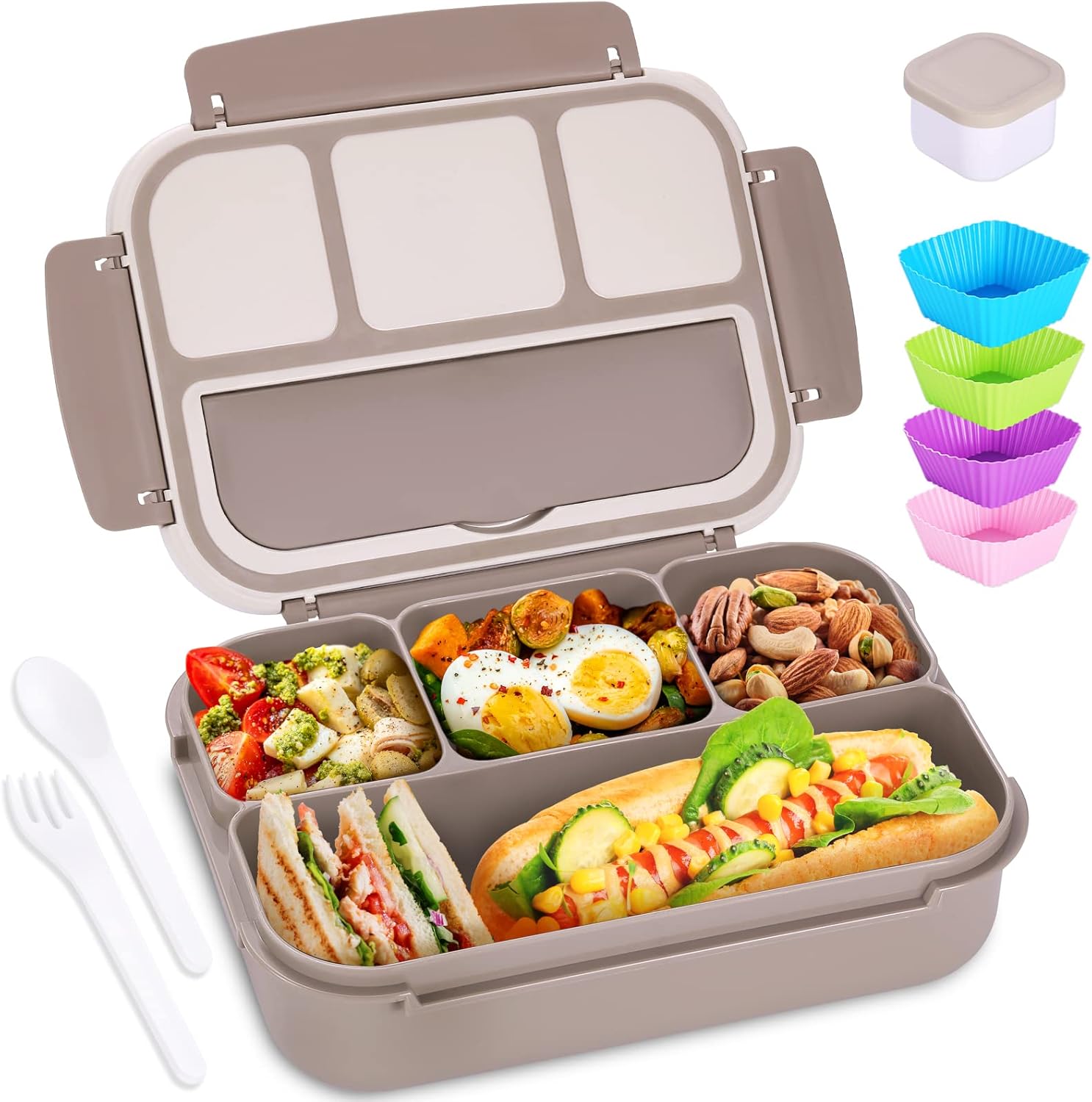
Bento lunch box is a solid choice here. It’s got four separate compartments that keep everything separate, so you won’t experience any unpleasant surprises come midday. And since it’s leak-proof and safe for the microwave or dishwasher, it requires little maintenance. Plus, the compartments have plenty of room to house and preserve both your main course and side dishes.
Tech support
Your phone is no longer just a phone. It’s how you keep in touch with colleagues, check on patient records and stay connected when shifts drag on. When your phone battery runs out of juice, things can easily get out of hands quickly.
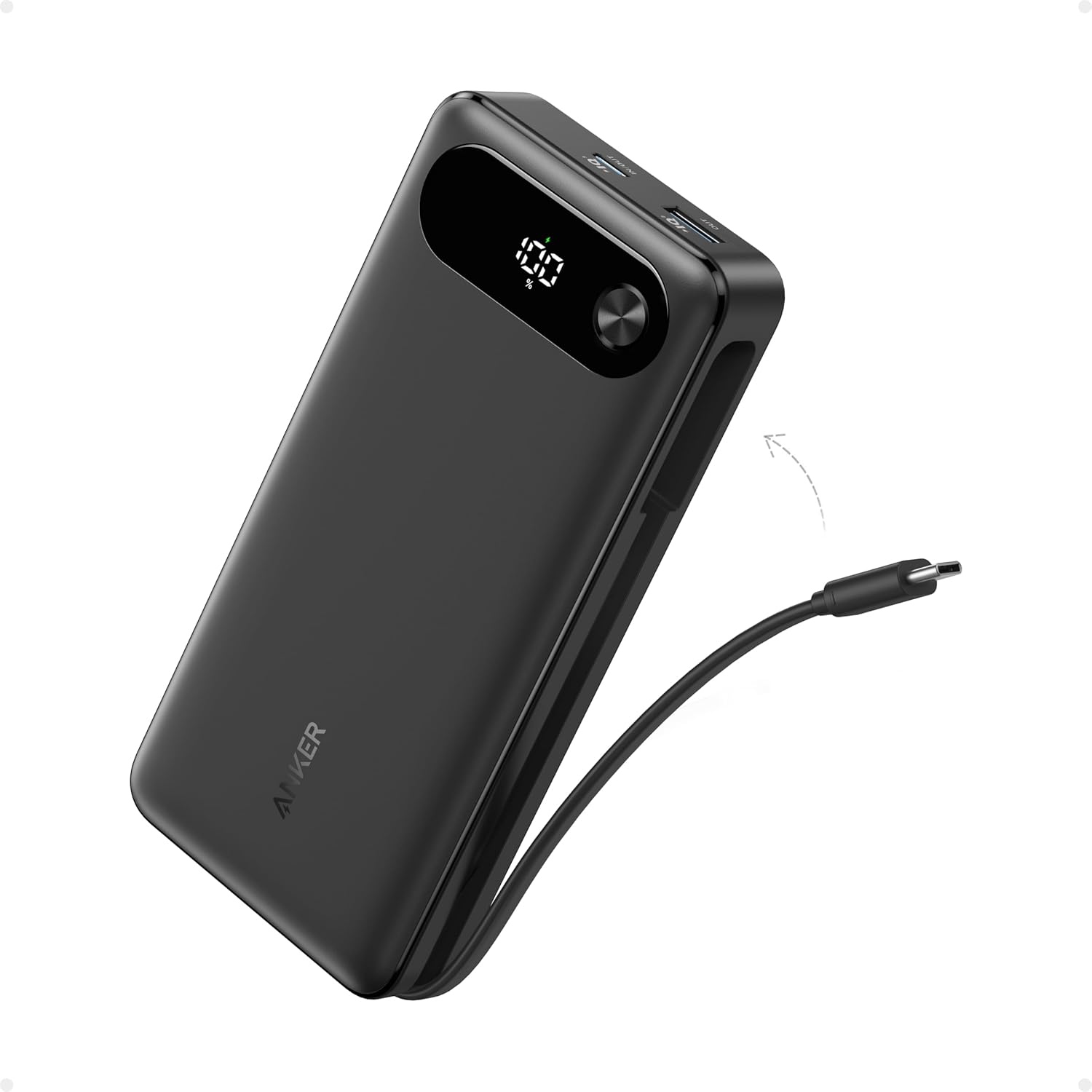
The Anker Nano Power Bank strikes just the right balance between capacity and portability. You get a good 20,000mAh of power from it–enough to charge most phones at least three times, and some more. And because it’s compact, you can tuck it in your scrub pocket. Its 87W output delivers super-fast charging, and the built-in USB-C cable means no extra cord to drag around.
Extras that make a difference
Beyond these essentials, a handful of extra items can make a real difference in your shift experience.
Compression socks have become a must-have for many nurses and other clinical staff who spend all day on their feet. They help keep your blood moving, prevent swelling, and relieve the achy feeling you get from standing around for too long. The compression helps push blood upward, fighting gravity when you’re on your feet for hours.
A foot massager can also be really helpful. Simple textured foot rollers can give you the relief you need from sore pressure points, while an electric massager can take it to the next level with heat and kneading. Some clinicians keep a set of massage balls or a roller in their locker for the odd quick break when they need to stop and unwind.
The bottom line
Being in healthcare can be very demanding. And although the right gear won’t make all the demands go away, it will surely make them more tolerable. Think comfortable shoes, for example, which not only save your feet from being drained of strength but also keep nasty injuries that can sideline you at bay. A bag that helps keep things in order saves you from stress and even help you better manage your time. Good food and staying hydrated help sustain you. Likewise, having fully charged devices allows you to keep in touch when you need to. These aren’t luxuries. Instead, they’re smart investments to help you work optimally without burning out. Besides, you can’t pour from an empty cup, so self-care is essential to caring for everyone else.
