Each November, the healthcare industry and beyond come together to honor allied health professionals. During Allied Health Week, the healthcare community celebrates the people who serve as the backbone of modern medicine. Allied health professionals have the technical expertise, compassion, and commitment that are critical to patient care. The role of an allied health professional makes a measurable difference in patient care every single day.
At StaffDNA, we know firsthand that healthcare doesn’t begin and end with physicians and nurses. It thrives because of the thousands of allied health professionals who diagnose, rehabilitate, analyze, and support patient care across every setting. This week, we proudly honor their vital contributions and spotlight the critical roles they play in keeping our healthcare system running strong.
The foundation of modern medical care
Allied health professionals represent one of the most diverse and impactful segments of the medical field. They include more than 80 distinct career paths, from respiratory therapists and radiologic technologists to clinical laboratory scientists, medical assistants, and speech-language pathologists. Together, these professionals are over 12 million strong and make up nearly 60% of the U.S. healthcare workforce.
That means that for every healthcare encounter, from diagnosis and laboratory results to surgery and rehabilitation, some aspect of patient care is shaped by an allied professional. They are the scientists behind the data, the specialists behind every image, and the therapists guiding recovery one step at a time. Depending on their role, allied health professionals may provide patient education, support surgical teams, perform diagnostics, assist in rehabilitation, or manage administrative functions. Every contribution supports a patient’s healthcare journey in some way.
Rising demand and career opportunities
The need for allied health professionals has never been greater. According to the U.S. Bureau of Labor Statistics, employment in allied health occupations is projected to grow 13% by 2031 — a rate significantly faster than the national average across all industries. An aging population drives this surge, increased demand for diagnostic services, and rapid advances in medical technology.
Hospitals, outpatient centers, telehealth services, and home-care programs all depend on skilled allied professionals to fill critical roles. Imaging technologists are implementing AI-driven diagnostic tools, respiratory therapists are advancing post-acute care outcomes, and physical therapists are helping patients regain independence faster than ever.
Yet, with rising demand comes a challenge: maintaining a strong, sustainable workforce. That’s why recognizing, supporting, and investing in allied professionals goes beyond recognizing them. Their roles are vital to the current healthcare ecosystem and an integral part of the future of healthcare.
The many faces of allied health
The term “allied health” covers a broad spectrum of specialties, and each one is uniquely essential to patient care. Allied health professionals can enjoy flexibility with the option to work in a variety of settings, including hospitals, outpatient clinics, private practices, long-term care facilities, home health, and more.
Here a just a few of these crucial roles:
- Imaging and Diagnostic Technologists
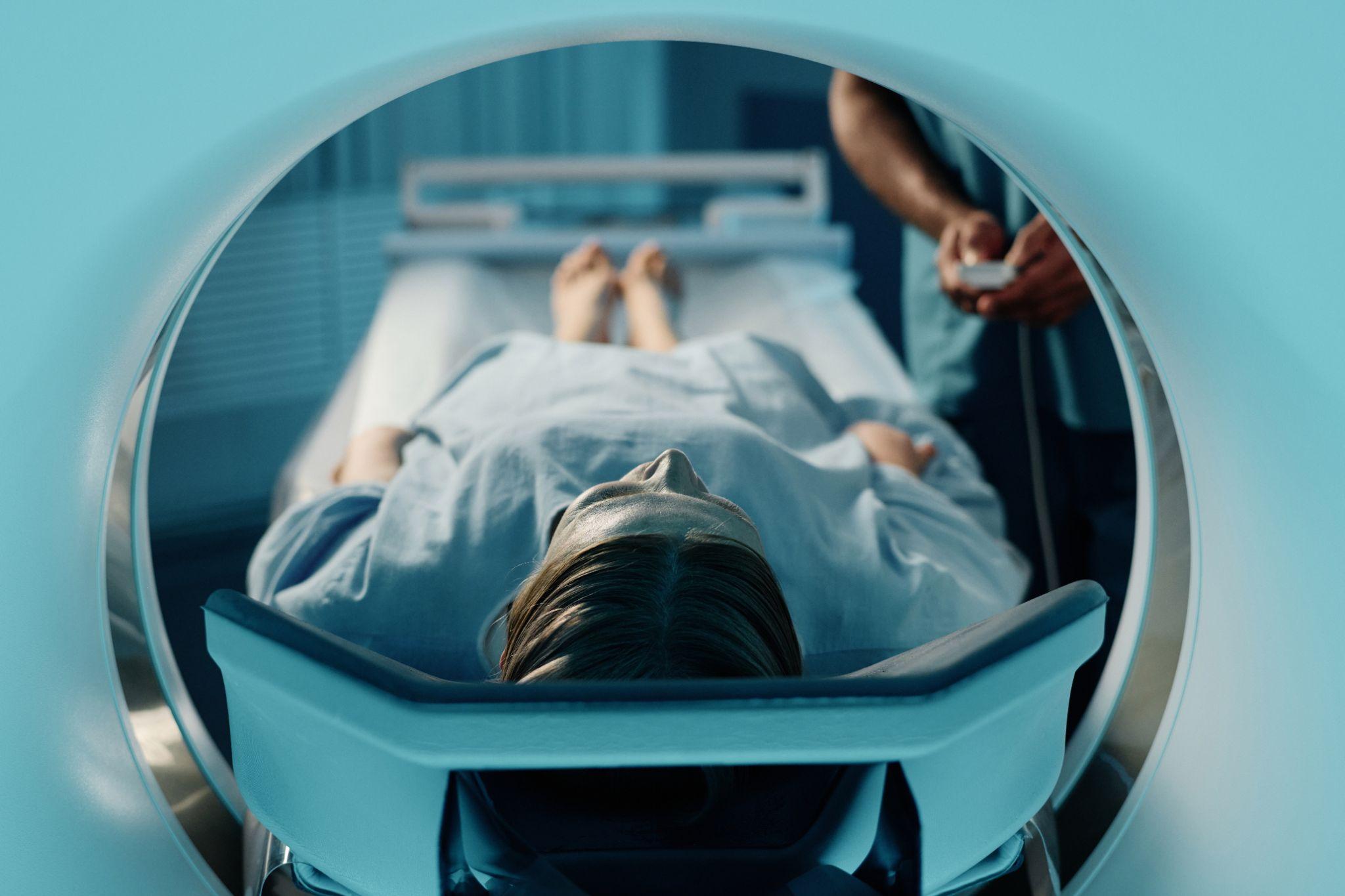
From X-rays and CT scans to MRIs and ultrasounds, imaging technologists provide the visual insight that guides every clinical decision. Their expertise in diagnostic testing transforms complex data into clarity, ensuring accuracy and patient safety.
- Rehabilitation and Therapy Professionals
Physical therapists, occupational therapists, and speech-language pathologists are the champions of patient recovery and ongoing care. They help patients restore mobility, strength, and communication, and empower them to gain independence and improve their quality of life after illness or injury.
- Laboratory and Clinical Technologists
Medical laboratory professionals are the unseen heroes of diagnosis. Their precision ensures accurate test results, allowing physicians and clinical teams to identify conditions early and determine the best course of treatment.
- Cardiology and Respiratory Specialists
These professionals are vital to the care of a patient’s heart and lungs. They provide life-sustaining support in ICUs, manage ventilators, and monitor complex cardiac systems, playing a critical role in both emergency and chronic care.
- Technical and Support Staff
From surgical technologists to medical assistants and technicians, these professionals ensure every procedure runs smoothly. They bridge coordination gaps, maintain sterile environments, and support the entire care continuum.
These are just a few of the roles that reflect the specialized expertise and unwavering dedication that define allied healthcare.
Career resources for allied health professionals
Allied health is a fast-growing field, and many organizations support professionals on their career journey. Here are a few that act as an excellent resource for a career in allied health:
American Society of Radiologic Technologists (ASRT)
This organization is an excellent resource for radiology professionals, including information on earning continuing education credits.
American Physical Therapy Association (APTA)
APTA is a community aimed at advancing the profession of physical therapy. It offers information on starting a career in physical therapy and resources for students.
American Association of Medical Assistants (AAMA)
This organization provides professionals looking to start an education journey or career as a medical assistant with education information, certification, and networking opportunities.
American Occupational Therapy Association (AOTA)
AOTA brings together clinicians, educators, and academic leaders to advance education and offers information to help students excel in their programs.
The Association of Schools Advancing Health Professions (ASAHP)
Schools that offer programs and education platforms for allied health professionals are part of this not-for-profit organization. They publish various journals and newsletters on allied health. They work to advance the education of all health professions.
Commission on Accreditation of Allied Health Education Programs (CAAHEP)
CAAHEP helps set standards for quality assurance in health professions education, like allied health. This organization works directly with programs to ensure proper accreditation for learning programs. Visit their site for a list of accredited programs, including self-study.
Celebrating Allied Health Week at StaffDNA
At StaffDNA, our mission is to connect allied health professionals with career opportunities nationwide. From travel positions to per diem, staff, and locum tenens, StaffDNA has the technology platform to help all allied professionals find a job they love.
The StaffDNA app is free to download, easy to use, and lets allied health professionals search thousands of jobs without registering. At StaffDNA, we are honored to work alongside allied professionals every day, and we’re committed to helping these healthcare heroes find the right job that suits their lifestyle, pay needs, and more. This Allied Health Week, we extend our deepest gratitude to you and all you do to keep healthcare moving forward.