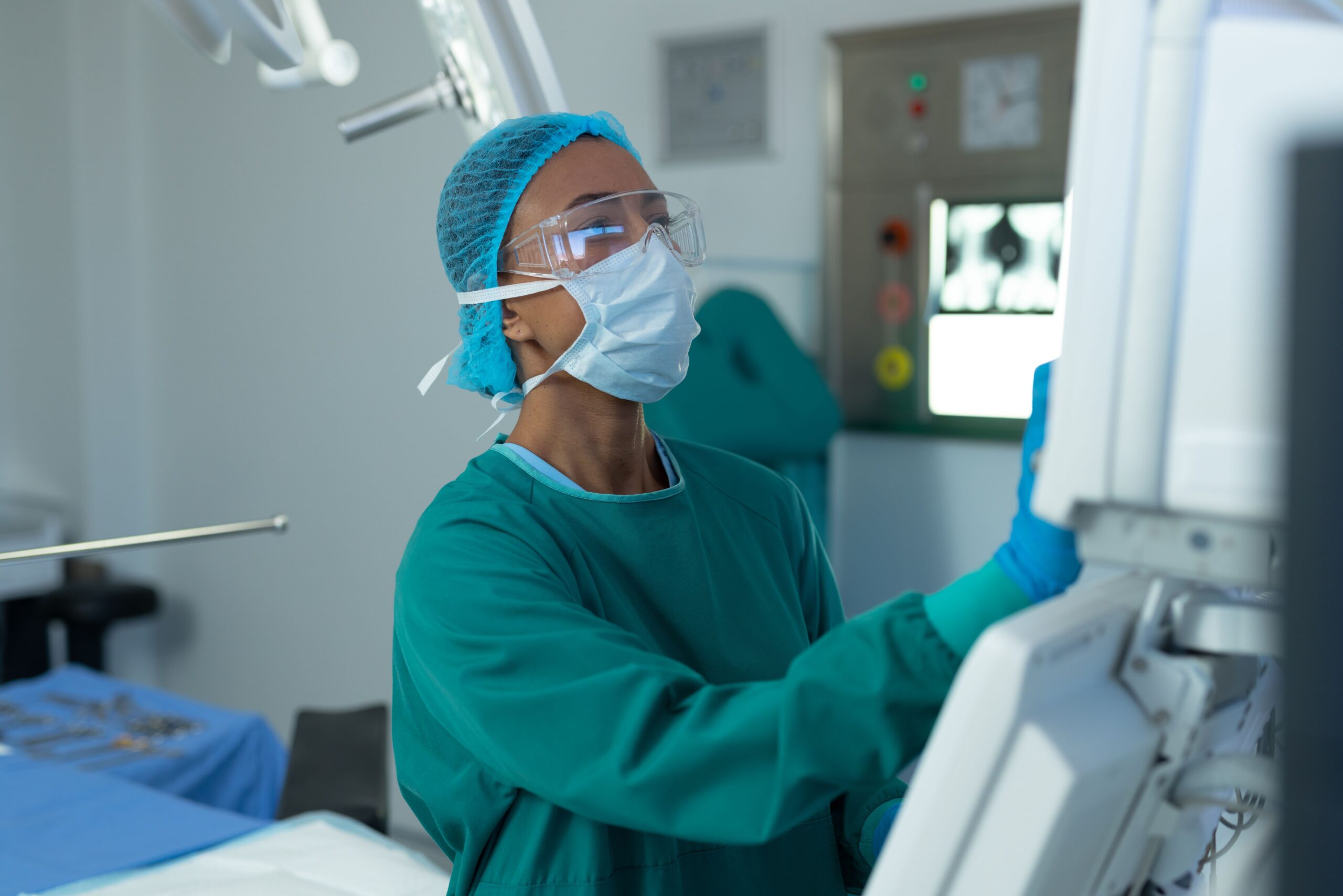
Surgical Technology Week may be a week-long recognition event that happens every September, but we recognize the vital contributions of these clinical professionals every day, all year long. Surgical Technology Week is an opportunity to reflect on a profession that requires precision, dedication, and skill before, during, and after surgeries.
Let’s face it: modern surgery wouldn’t be possible without surgical technicians. From hemostats and clamps to suction devices and retractors, there are dozens and dozens of different tools a surgical technologist must be familiar with in the operating room. And those devices are just the beginning of the expertise and knowledge a surgical technologist brings. Surgical technicians also use advanced equipment for robotic surgery and minimally invasive laparoscopic tools.

A surgical technologist role explained
Surgical technologists are often referred to as surgical technologists, surgical techs, or simply surg techs. But the shortened name doesn’t mean there’s not a long list of responsibilities that a surg tech needs to have proficiency in to be in the room during surgery. Their specialized knowledge includes a deep understanding of a wide variety of surgical procedures to anticipate and provide the correct instruments and supplies to the surgeon.
The role requires physical stamina, as well. A surgical technologist needs to stand for long periods of time, often for many hours with limited breaks, and may also need to lift heavy equipment. The physical demands of a surg tech also go beyond the surgery time. There’s significant prep before surgery begins and procedures post-surgery that need to be followed by a surg tech and the entire surgical team.
There’s also great career growth for surg techs. Surg techs can become a Surgical First Assistant, which means they will be assisting the surgeon with retracting tissue, holding instruments, and suturing patients on the operating table. There is also the opportunity to become a Surgical Supervisor, a professional who manages and supervises staff, ensures compliance and regulatory standards for a surgical team, and coordinates workflows with surgeons and anesthesia providers.
Other responsibilities of a surg tech include:
Preparation and sterilization. Surg techs need to maintain strict sterilizing procedures to reduce the risk of infection to patients. Sterilization includes disassembling equipment, cleaning, inspecting, and then using various methods, such as an autoclave or chemical sterilization, to destroy all microorganisms. Surg techs must be precise in this process and document the process for each instrument for each surgical procedure.
Equipment management. Organizing and arranging equipment trays is a critical procedure in a surgical tech role. Instruments need to be arranged in a specific order to allow for quick and easy access. During surgery, surgical techs keep a careful count of all instruments and ensure each one is used. After surgery, there is a process to decontaminate and repackage instruments for the next surgery.
Post-operative care. Surg techs are responsible for helping prepare and move the patient to the recovery or post-op area. The surg tech applies dressings and bandages to the patient’s incision sites. In the operating room, personnel must dispose of items such as used gloves, needles, gauze, and syringes according to specific procedures.
Where and when surg techs work
Surg techs usually work in teams. Teams can include two to four individuals, though the exact number will vary based on the surgery, the facility, and the surgeon. Surg tech can be specific to one area, such as a scrub tech or a circulating tech. A scrub tech directly manages the instruments while a circulating tech manages the room during surgery. They may handle specimens during a surgery, monitor the surgeon and the team, or grab supplies if needed.
The primary employers of surgical techs are hospitals, hospital systems, and surgical centers. The hours of a surgical tech can vary, but a full-time surgical tech schedule is usually eight, ten, or twelve-hour shifts. Schedules are usually early morning starts, mandatory on-call hours, and covering weekends and holidays. Full-time techs work 36-40 hours per week. Most hospitals require a surg tech to rotate between day, evening and night shifts to ensure coverage for unplanned surgeries.
Per diem surg techs work variable shifts, which focus on flexibility rather than a regular, set schedule. Per diem surg techs will pick up shifts based on staff shortages, vacations or increased patient volume. A per diem surg tech usually has the freedom to select shifts that align with their availability. Including eight, ten, and twelve-hour blocks that change from week to week.
How easy is it to find a surg tech job?
Finding a job as a surgical tech is easy because there’s currently a nationwide shortage of these professionals. The lack of trained and experienced surg techs is an on-going issue for medical facilities nationwide in the U.S. As the population ages and the number of surgeries for critically ill patients increases, the demand for surgical techs will only rise. According to the most recent statistics from the Bureau of Labor Statistics, the employment rate for surgical tech is expected to grow by five percent over the next ten years.
There are currently hundreds of open jobs for surg techs nationwide in the StaffDNA app. The StaffDNA app is free to download and shows surg tech jobs and jobs in all healthcare professions for free. If you see a job you love, register and complete a short profile to apply to a job. If you’re ready to make a career move as a surg tech, search, apply and get hired today with StaffDNA.
A surgical technologist role explained
Surgical technologists are often referred to as surgical technologists, surgical techs, or simply surg techs. But the shortened name doesn’t mean there’s not a long list of responsibilities that a surg tech needs to have proficiency in to be in the room during surgery. Their specialized knowledge includes a deep understanding of a wide variety of surgical procedures to anticipate and provide the correct instruments and supplies to the surgeon.
The role requires physical stamina, as well. A surgical technologist needs to stand for long periods of time, often for many hours with limited breaks, and may also need to lift heavy equipment. The physical demands of a surg tech also go beyond the surgery time. There’s significant prep before surgery begins and procedures post-surgery that need to be followed by a surg tech and the entire surgical team.
There’s also great career growth for surg techs. Surg techs can become a Surgical First Assistant, which means they will be assisting the surgeon with retracting tissue, holding instruments, and suturing patients on the operating table. There is also the opportunity to become a Surgical Supervisor, a professional who manages and supervises staff, ensures compliance and regulatory standards for a surgical team, and coordinates workflows with surgeons and anesthesia providers.
Other responsibilities of a surg tech include:
Preparation and sterilization. Surg techs need to maintain strict sterilizing procedures to reduce the risk of infection to patients. Sterilization includes disassembling equipment, cleaning, inspecting, and then using various methods, such as an autoclave or chemical sterilization, to destroy all microorganisms. Surg techs must be precise in this process and document the process for each instrument for each surgical procedure.
Equipment management. Organizing and arranging equipment trays is a critical procedure in a surgical tech role. Instruments need to be arranged in a specific order to allow for quick and easy access. During surgery, surgical techs keep a careful count of all instruments and ensure each one is used. After surgery, there is a process to decontaminate and repackage instruments for the next surgery.
Post-operative care. Surg techs are responsible for helping prepare and move the patient to the recovery or post-op area. The surg tech applies dressings and bandages to the patient’s incision sites. In the operating room, personnel must dispose of items such as used gloves, needles, gauze, and syringes according to specific procedures.

Where and when surg techs work
Surg techs usually work in teams. Teams can include two to four individuals, though the exact number will vary based on the surgery, the facility, and the surgeon. Surg tech can be specific to one area, such as a scrub tech or a circulating tech. A scrub tech directly manages the instruments while a circulating tech manages the room during surgery. They may handle specimens during a surgery, monitor the surgeon and the team, or grab supplies if needed.
The primary employers of surgical techs are hospitals, hospital systems, and surgical centers. The hours of a surgical tech can vary, but a full-time surgical tech schedule is usually eight, ten, or twelve-hour shifts. Schedules are usually early morning starts, mandatory on-call hours, and covering weekends and holidays. Full-time techs work 36-40 hours per week. Most hospitals require a surg tech to rotate between day, evening and night shifts to ensure coverage for unplanned surgeries.
Per diem surg techs work variable shifts, which focus on flexibility rather than a regular, set schedule. Per diem surg techs will pick up shifts based on staff shortages, vacations or increased patient volume. A per diem surg tech usually has the freedom to select shifts that align with their availability. Including eight, ten, and twelve-hour blocks that change from week to week.
How easy is it to find a surg tech job?
Finding a job as a surgical tech is easy because there’s currently a nationwide shortage of these professionals. The lack of trained and experienced surg techs is an on-going issue for medical facilities nationwide in the U.S. As the population ages and the number of surgeries for critically ill patients increases, the demand for surgical techs will only rise. According to the most recent statistics from the Bureau of Labor Statistics, the employment rate for surgical tech is expected to grow by five percent over the next ten years.
There are currently hundreds of open jobs for surg techs nationwide in the StaffDNA app. The StaffDNA app is free to download and shows surg tech jobs and jobs in all healthcare professions for free. If you see a job you love, register and complete a short profile to apply to a job. If you’re ready to make a career move as a surg tech, search, apply and get hired today with StaffDNA.