You’ve probably seen the ads. “Get your nursing loans forgiven in weeks, just a small processing fee.” Here’s what nobody tells you upfront: the actual nurse student loan forgiveness programs worth your time cost nothing to apply for, but the path to approval can still drain your time, your paperwork patience, and sometimes your paycheck if you pick the wrong tier of help. This post breaks down what you’ll actually spend, where the hidden costs hide, and when paying for help is genuinely worth it versus when it’s a waste of $800.
Most nurses chasing loan relief fall into one of three spending tiers: free DIY federal programs, low-cost state and employer options, and paid third-party services that promise to handle everything. Each has a real price tag once you count the time, the paperwork errors, and the fees most sites bury in fine print.
The Free Tier: Federal Programs Cost $0 (If You Do It Yourself)
Public Service Loan Forgiveness, Income-Driven Repayment plans, and the Nurse Corps Loan Repayment Program don’t charge application fees. Zero. If a website asks you to pay before submitting a PSLF form, close the tab.
What you’re actually paying with is time:
- 2-3 hours to certify employment annually through the PSLF Help Tool
- 4-6 hours gathering documentation if your loan servicer transferred your account (common, and a pain)
- $0 in fees, but potential tax exposure on IDR forgiveness if you don’t hit the 20-25 year mark before policy changes
The catch? PSLF takes 10 years of qualifying payments. Nurse Corps repayment runs two years for up to 85% of your debt, but it requires working at a Critical Shortage Facility. If you’re already at one, this tier is genuinely enough. Don’t pay anyone for this paperwork.
State-Level and Employer Programs: Usually Free, Sometimes a Small Trade-Off
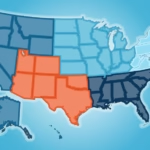
States like Texas, New York, and Ohio run their own nurse loan repayment programs, often $0 to apply. The real cost here is a service commitment, typically 2-4 years at a qualifying facility. Some hospital systems also offer tuition reimbursement or loan assistance as a hiring incentive worth $5,000-$20,000 over a few years. Read the contract. A few programs include a payback clause if you leave early, sometimes the full award plus interest.
Comparing the Real Costs Across Tiers
| Option | Price | Best for | Catch |
|---|---|---|---|
| PSLF (DIY) | $0 | Nurses at nonprofit/government employers | 10-year commitment, strict paperwork rules |
| Nurse Corps Loan Repayment | $0 | RNs at Critical Shortage Facilities | Must work at qualifying facility 2+ years |
| State repayment programs | $0-$50 processing | Nurses willing to commit 2-4 years locally | Service contracts with payback penalties |
| Employer tuition assistance | $0 (built into job offer) | Nurses negotiating a new position | Often capped at $5,250/year, taxable above that |
| Paid loan forgiveness consultants | $600-$1,500 upfront, or $29-$49/month | Nurses with messy servicer history or multiple loan types | You’re paying for paperwork you could file yourself |
The third-party consultant tier is where costs balloon. Some companies charge a flat $799 “document prep fee.” Others run subscription models at $39/month indefinitely, even after your paperwork’s filed. A few are legitimate and save real time if your loans are scattered across three servicers. Most aren’t necessary if you’re disciplined about deadlines.
When the Cheaper Option Is Genuinely Enough
If you work for a nonprofit hospital or a government-run facility, the free PSLF path is enough. Full stop. You don’t need a consultant to certify employment once a year, that’s a five-minute form.
Paid help starts making sense only when you’ve got federal, private, and refinanced loans tangled together, or you’re navigating a servicer error that’s eaten months of qualifying payments. Even then, call your servicer’s ombudsman first. It’s free, and it often resolves what a paid firm charges hundreds to “fix.”
How staffdna.com Helps With Nurse Student Loan Forgiveness Programs, Taxes & Personal Finance
Qualifying for nurse student loan forgiveness programs usually depends on where you work, not just what you file. staffdna.com connects nurses with positions at hospitals, Critical Access Facilities, and nonprofit health systems, the exact employer types that unlock PSLF and Nurse Corps eligibility. The platform lets you filter openings by facility type and location, so you can target jobs that actually count toward forgiveness before you accept an offer. You can also see pay transparency details upfront, which matters when you’re weighing a lower-paying qualifying job against a higher-paying one that resets your forgiveness clock.
Browse qualifying facility openings at staffdna.com and make your next job move count toward loan forgiveness, not against it.
Hidden Costs Nobody Mentions
A few sneaky expenses show up regardless of which tier you pick:
- Tax prep complexity. IDR forgiveness after 20-25 years is currently treated as taxable income federally. Budget $150-$300 for a tax preparer who understands this when the time comes.
- Notarization and certified mail fees for some state programs, usually $15-$40 total.
- Lost income from paperwork delays. If a servicer error costs you six months of qualifying payments, that’s six months added to a 10-year timeline. Time is money, literally, in this case.
None of these are reasons to pay a consultant. They’re reasons to keep your own folder of certification forms and set calendar reminders.
Frequently Asked Questions
Do nurse student loan forgiveness programs really cost nothing to apply for?
Federal programs like PSLF and Nurse Corps Loan Repayment charge no application fees. State programs occasionally charge a small processing fee under $50. Anyone charging hundreds of dollars upfront is selling a service, not access to the program itself.
Is it worth paying a loan forgiveness company to handle my paperwork?
Only if your loan history is genuinely tangled across multiple servicers or loan types. For a straightforward PSLF or IDR situation, the annual paperwork takes a few hours and costs nothing to do yourself.
What’s the biggest hidden cost in nurse student loan forgiveness programs?
Taxes. Forgiveness through Income-Driven Repayment plans can trigger a tax bill on the forgiven amount, depending on current law when your forgiveness date arrives. PSLF forgiveness, by contrast, is not taxed federally.
Can my employer’s tuition assistance replace federal forgiveness programs?
It can supplement it, but rarely replace it. Employer assistance usually caps around $5,250/year tax-free, while federal forgiveness can erase tens of thousands in debt over time. Many nurses use both.
How long until I see real savings from nurse student loan forgiveness programs?
PSLF requires 10 years of qualifying payments. Nurse Corps repayment moves faster, often 15-85% forgiveness after just two years at a qualifying facility. State programs vary, typically 2-4 years.
Conclusion
Key Takeaways:
- Federal and state nurse student loan forgiveness programs cost $0 to apply for; never pay an upfront fee to a third party for basic paperwork
- Paid consultants ($600-$1,500+) only make sense for genuinely complex, multi-servicer loan situations
- Your employer type determines eligibility more than any paperwork trick, so job placement matters as much as the forms
The cheapest path is also the right path for most nurses: free federal programs, a disciplined paperwork habit, and an employer that qualifies. Before you spend a dollar on outside help, check whether your current or next job even counts toward forgiveness, and start there.